Dangerous Heat Is Closing Summer Schools This Week — Is Yours Affected?
Last Updated on July 19, 2026 by Stephanie Smith
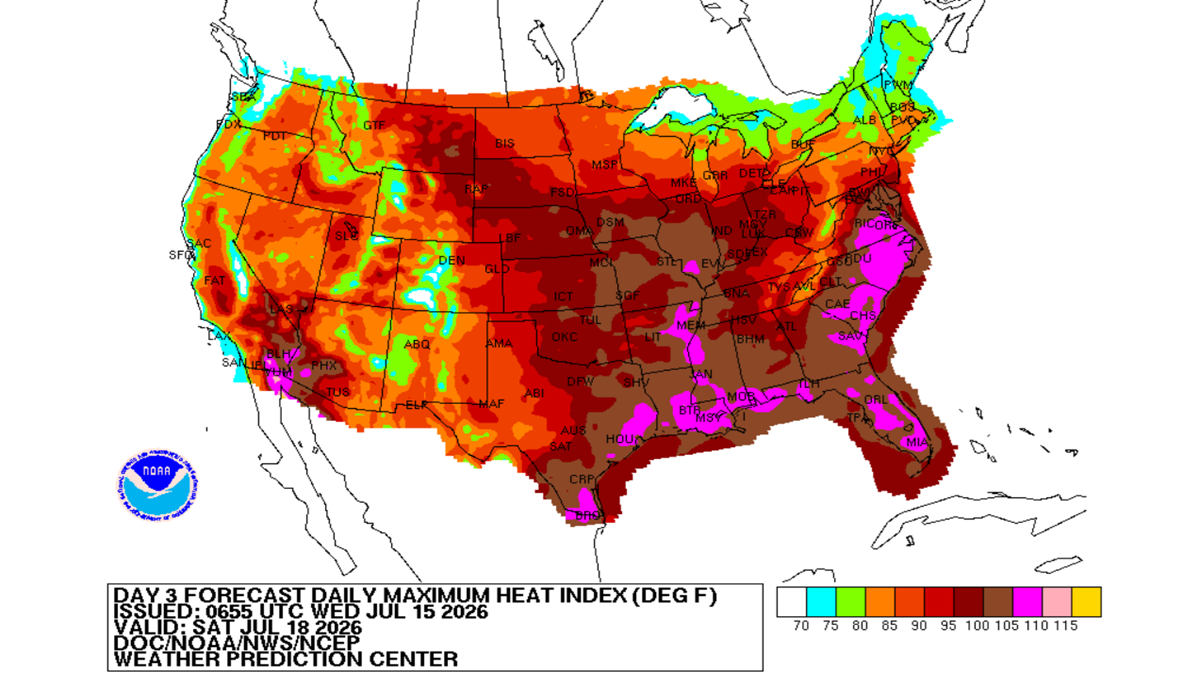
Extreme heat is forcing some summer school programs, camps, and youth recreation sites to close or move indoors this week, as dangerous heat conditions spread across parts of the Midwest, Southwest, and Northeast. A handful of districts have made the call to shut down summer programming entirely for a day or two, while many more are keeping buildings open but restricting outdoor activity. Here is what is confirmed closed right now, plus a tool to check conditions in your own area.
Quick answer: Most affected programs are not closing entirely, they are moving activities indoors and adding hydration breaks. A smaller number of districts, like Milwaukee, have closed summer sites completely due to extreme heat. There is no single national list of every closure, since decisions are made district by district, so use the checker below to confirm your specific area.
Schools Already Closed Today
Milwaukee, Wisconsin — full closure. Milwaukee Public Schools closed its Summer Academy, Extended Learning Opportunity (ELO) programs, and indoor Milwaukee Recreation sites on July 14 and July 15 due to extreme heat, according to a decision announced by Superintendent Brenda Cassellius in consultation with the city’s health commissioner. The district described student, staff, and community safety as its top priority in making the call, and said it expects to resume normal operations once temperatures ease. Indoor recreation sites are closed, though outdoor playground sites with splash pads and wading pools are staying open so families still have somewhere to cool off.
Burnt Hills–Ballston Lake, New York — outdoor facilities closed, indoor programs continue. The Burnt Hills–Ballston Lake Central School District closed its outdoor facilities, including playgrounds, athletic fields, and tennis courts, from 10 a.m. to 8 p.m. on July 14 after the National Weather Service issued a heat warning for the area, with a real-feel temperature reaching 102°F. Summer Rec, Extended School Year (ESY), and Elementary Summer School programs stayed open and on schedule, but were moved entirely indoors to air-conditioned rooms for the day.
These two examples show the two most common responses districts are taking this week: some close entirely for a day or two, like Milwaukee, while others keep programs running but move everything indoors and restrict outdoor facility access, like Burnt Hills–Ballston Lake. Other districts across the Midwest, Southwest, and Northeast are reporting similar modified schedules, but decisions are being made locally and can change quickly, which is why a single nationwide list isn’t reliable. Check the tool below for your specific area.
Check Heat Conditions in Your Area
Enter your ZIP code to pull up the official National Weather Service forecast and any active heat alerts for your location, then check your school or camp’s own website or alert system for their specific decision.
This tool links directly to weather.gov, the National Weather Service’s own site, since that’s the authoritative source for active heat warnings by location. It does not show district-level closures, since no single database tracks every school and camp closure in real time. After checking the weather, confirm your specific program’s status through their own website, app, or alert system.
Why This Is Happening Now
Mid-July is peak heat season across much of the country, and this week high pressure has driven temperatures well above seasonal norms in several regions at once, not just the usual Southwest hot zones. The National Weather Service has issued heat warnings and advisories in affected areas, meaning heat index values are expected to reach levels that pose a real health risk during extended outdoor exposure, especially for children.
Unlike a snow day, extreme heat rarely shuts a program down completely. Most summer schools, camps, and enrichment programs are built to keep operating with modified schedules. Milwaukee’s decision to close entirely, rather than just move activities indoors, reflects how serious a given heat event is judged to be by local health officials, not a standard response to every hot day.
What Typically Changes During a Heat Warning
- Outdoor recreation moves indoors. Sports camps, field days, and outdoor PE blocks are usually the first thing paused or relocated to a gym or air-conditioned space.
- Hydration breaks become mandatory. Many districts follow heat-illness prevention guidelines that require scheduled water breaks once the heat index crosses a set threshold.
- Afternoon activity windows shrink. Some programs shift outdoor time to early morning, before temperatures peak, and keep kids indoors from late morning onward.
- In more serious cases, indoor sites close entirely. If a health department and district judge conditions severe enough, as in Milwaukee, even indoor programming can be paused rather than risk transit and drop-off exposure.
How to Check If Your Child’s Program Is Affected Today
- Use the ZIP code tool above to see if a heat warning is active in your area first.
- Check your district or camp’s official website or app. Most post same-day weather adjustments there before sending texts or emails.
- Look for a district-wide alert system. Many schools use automated call, text, or app notifications, like ParentSquare or Blackboard Connect, for weather-related schedule changes.
- If nothing is posted, call the front office directly. Heat-related schedule adjustments are often decided the morning of, not the night before.
What Parents Can Do Today
If your child is attending an in-person summer program in an affected area, a few simple steps make a real difference. Send an insulated water bottle rather than a standard one, since it keeps water cooler for longer through the day. Apply sunscreen before drop-off if there is any chance of outdoor time. Dress kids in light, breathable clothing. And if your child has asthma or another heat-sensitive condition, it is worth a quick note to the program staff so they know to watch for symptoms of heat stress specifically.
Watch for early signs of heat-related illness in kids: flushed skin, unusual fatigue, headache, or nausea. These typically resolve quickly with shade, water, and rest, but should not be ignored, especially in younger children who may not clearly communicate how they are feeling.
Frequently Asked Questions
Is there a national list of every school closed for heat today?
No. Closure decisions are made independently by each district, city, and camp operator, and there is no single government database that tracks every closure in real time nationwide. The most reliable approach is checking the National Weather Service alert for your specific ZIP code, then confirming directly with your child’s program.
Will schools close completely because of extreme heat?
Full closures due to heat alone are less common than modified schedules, but they do happen, as seen with Milwaukee Public Schools closing its Summer Academy and indoor recreation sites for two days. More often, districts take a middle approach, like Burnt Hills–Ballston Lake in New York, which closed outdoor facilities specifically while keeping indoor programs running as scheduled. It typically depends on how severe local officials judge conditions to be, combined with whether buildings have adequate cooling.
What temperature triggers indoor-only activities at schools?
This varies by state and district, but many follow heat index guidelines that require modified or indoor-only outdoor activity once the heat index reaches the mid-90s Fahrenheit, with stricter restrictions as it climbs higher. Districts in consistently hot climates often have more detailed, tiered heat protocols than districts less used to extreme heat.
Are outdoor pools and splash pads open even when schools are closed for heat?
Often, yes. In Milwaukee’s case, indoor recreation and academic sites closed, but playground sites with splash pads and wading pools stayed open specifically to give families a way to cool off. Check your local parks and recreation department for outdoor water facility hours if your area is under a heat closure.
What are signs my child may be affected by heat during summer camp?
Watch for flushed or red skin, excessive sweating or unusually dry skin, fatigue, headache, dizziness, nausea, or muscle cramps. Mild symptoms usually improve with rest, shade, and water. If a child shows confusion, stops sweating despite heat, or has a very high body temperature, that requires immediate medical attention, as it can indicate heat stroke.
This article combines confirmed reporting from Milwaukee Neighborhood News Service with general National Weather Service heat safety guidance. School and camp closures change quickly and vary by district. Always confirm same-day status directly with your child’s specific program.